Skip to content
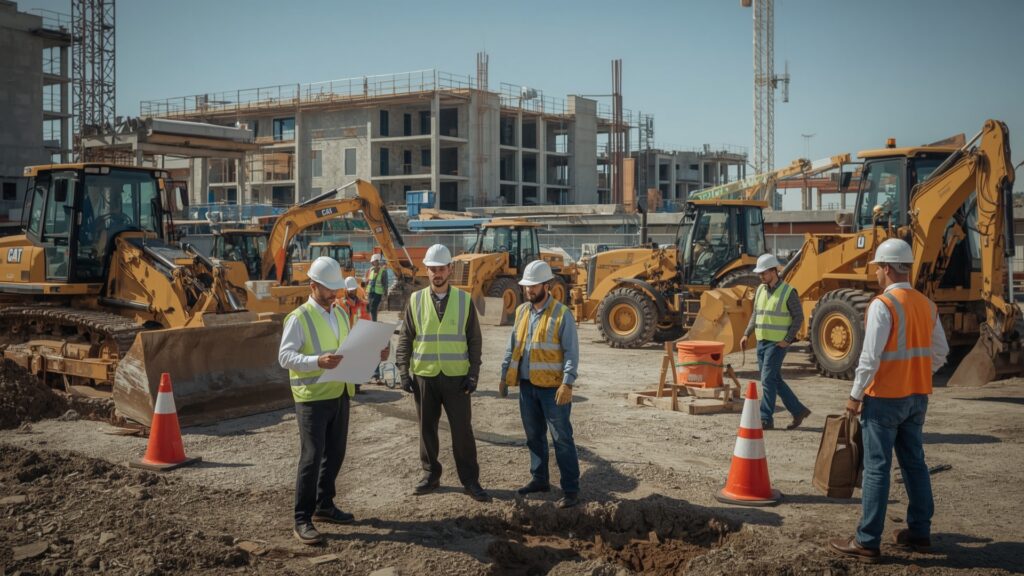
The world of construction machine operator jobs is a cornerstone of modern infrastructure development. From skyscrapers to highways, machine operators are responsible for safely handling powerful equipment that shapes, moves, and prepares job sites. If you’re aiming to break into this career or simply understand what it entails, this guide dives deep into the roles, responsibilities, qualifications, and realities of the job.
Table: Key Construction Machine Operator Roles and Responsibilities
| Operator Role | Primary Equipment | Key Responsibilities |
| Excavator Operator | Excavators | Trench digging, foundation excavation, and debris clearing |
| Bulldozer Operator | Bulldozers | Grading terrain, land clearing, shaping, and leveling land |
| Crane Operator | Cranes | Lifting heavy materials, interpreting load charts, and stabilizing equipment |
| Loader Operator | Front-end loaders | Loading/unloading materials, grading, and site cleanup |
| Forklift Operator | Powered industrial trucks (forklifts) | Transporting inventory, stacking goods, and warehouse movement |
What Does a Construction Machine Operator Do?
Construction equipment operators perform essential functions on job sites by controlling machinery such as bulldozers, cranes, excavators, and loaders. Their tasks range from site preparation to material transport, grading, and safety inspections.
Professionals in construction machine operator jobs play a vital role in infrastructure development, contributing across key sectors such as highway, bridge, commercial, and residential construction. Their expertise ensures proper excavation of structural foundations, safe transportation of heavy materials, and precise surface preparation in line with engineering standards.
Types of Construction Machine Operator Jobs
Excavator Operator: Precision in Earth Movement
An excavator operator manages powerful hydraulic equipment to dig trenches, foundations, and storm drains. They’re essential in road building, landscaping, and utility line installation.
Key Skills:
- Blueprint reading
- Hand-eye coordination
- Spatial awareness
- Understanding of excavation plans
Bulldozer Operator: Shaping the Landscape
The bulldozer operator is responsible for grading and leveling land, clearing work areas of debris and obstacles, and shaping terrain to project specifications.
Typical Duties:
- Executing cut and fill operations
- Complying with safety protocols
- Using blade controls to reshape the land
Crane Operator: Lifting with Precision and Care
A crane operator maneuvers heavy materials across a site, playing a critical role in vertical construction projects.
Safety-First Responsibilities:
- Pre-operational checks
- Load chart interpretation
- Balance and load stability monitoring
- Certification through NCCCO or equivalent is required
Loader Operator: Mobility and Material Management
Loader operators handle materials such as sand, soil, and aggregate using bucket-equipped machinery. Their work supports site preparation, grading, and logistics.
Tasks Include:
- Terrain adjustment
- Internal site transport
- Efficient material handling
Forklift Operator: Logistics in Motion
Often overlooked, forklift operators play a critical role in warehouses, distribution centers, and construction sites. They’re certified to operate powered industrial trucks.
Core Functions:
- Inventory movement
- Material stacking and organizing
- Safety-compliant driving in fast-paced environments
Core Duties on a Construction Site
Construction equipment operators carry out a wide array of duties depending on the project type and job site requirements.
Operators are usually among the first on-site. Tasks include:
Site Preparation Tasks
- Clearing vegetation and debris
- Compacting soil
- Grading and leveling surfaces
Equipment Operation and Maintenance
They must also ensure:
- Safe operation of heavy machinery
- Adherence to safety protocols
- Performing routine maintenance and inspections
Blueprint Interpretation and Team Coordination
Professionals in construction machine operator jobs frequently work from blueprints and specifications, coordinating closely with engineers and crew supervisors to ensure mechanical execution aligns with project timelines.
Qualifications and Training Pathways
Educational Requirements
- In most cases, a high school diploma or an equivalent qualification is required by employers.
- Knowledge in mechanics, mathematics, and physics is advantageous.
Vocational Training and Apprenticeships
Training programs at technical institutes or community colleges provide foundational knowledge and hands-on practice. Apprenticeships typically span 1 to 4 years, combining classroom and field learning.
Certifications and Licenses
Operators may need:
- CDL (Commercial Driver’s License) for equipment transport
- NCCCO certification for crane operation
- OSHA-compliant forklift certification
Career Prospects and Salary Expectations
Construction careers in equipment operation offer strong wage potential with room for advancement.
| Experience Level | Annual Salary Range |
| Entry-Level | $35,623 – $44,864 |
| Experienced | $47,553 – $60,998+ |
| Specialized Roles | Up to $72,000+ (varies by state) |
State-wise Average Hourly Pay:
- California: $31.60
- New York: $27.13
- Texas: $22.98
- Florida: $23.70
- Virginia: $25.14
These numbers reflect differences based on location, demand, and machinery specialization.
Work Environment and Jobsite Realities
Construction equipment operators face physically demanding conditions, often working in harsh weather, noisy environments, and tight schedules.
Common Challenges:
- Extended shifts during peak periods
- Exposure to dust, heat, rain, or cold
- Need for constant situational awareness to avoid hazards
Skills That Define a Successful Operator
To succeed in this field, one must demonstrate:
| Soft Skills | Technical Skills |
| Communication | Equipment maintenance |
| Attention to detail | Load balancing and lifting logs |
| Physical endurance | Blueprint and schematic reading |
| Safety consciousness | Operation of multiple machinery |
Safety Protocols and Compliance
Safety is non-negotiable. Operators are expected to:
- Wear protective gear (helmets, boots, visibility clothing)
- Conduct daily equipment checks.
- Log fault reports and maintenance issues.
- Follow Occupational Safety and Health Administration (OSHA) standards
Tools, Technology, and Inspections
Modern job sites incorporate digital tools like:
- Maintenance logs and fault diagnostics
- Equipment inspection platforms
- Task boards for tracking operator duties
- Mobile apps for logging machinery performance
Such innovations support smoother workflows and prevent operator fatigue and equipment downtime.
Career Growth and Long-Term Opportunities
As infrastructure demands rise, construction machine operator jobs are projected to remain in demand. Growth potential exists in roles such as:
- Foreman or Site Supervisor
- Heavy Equipment Inspector
- Trainer/Instructor in Vocational Programs
Learning skills like blueprint reading, advanced safety practices, and equipment diagnostics can improve your chances for career growth.
Final Thoughts
Construction machine operator jobs demand a unique blend of physical stamina, mechanical skills, and precise control of heavy equipment. Whether you’re operating a crane on a high-rise structure or using an excavator to prepare a jobsite foundation, these roles are essential to the success of any construction project. As an operator, your expertise ensures that machinery runs smoothly, safely, and efficiently, making you a vital part of every build.
With high-paying opportunities, structured training, and career mobility, entering this field is more than a job; it’s a long-term construction career. As the demand for skilled operators grows, so does the value of investing in the right qualifications and safety credentials.
Start your path today by exploring operator training programs, certification options, and local equipment operator jobs in your area.
FAQs
What are the most in-demand construction machine operator roles?
Roles like excavator, bulldozer, and crane operators are in high demand due to their critical role in site preparation, grading, and material handling.
How long does it take to become certified?
Training and certification may take from 6 months to 4 years, depending on the pathway (apprenticeship, vocational school, or on-the-job training).
Are heavy equipment operators required to travel?
Yes, many operators work on projects across various locations, requiring regional or national travel.
Is certification required for all machinery?
While not always mandatory, certification improves job prospects and is often required for cranes, forklifts, and specialized machinery.