Skip to content

The US Air Force jobs landscape extends far beyond uniformed service. Today, thousands of civilians play critical roles in the Air Force’s mission, contributing skills in engineering, healthcare, cybersecurity, logistics, and more. These positions offer compelling career paths, robust benefits, and long-term growth, making them a strong consideration for both recent graduates and experienced professionals.
Suppose you’re seeking Air Force career opportunities that deliver job security, technical innovation, and service to national defense, all without enlisting. In that case, this guide breaks down seven lucrative Air Force jobs open to civilians.
Civilian Roles in the Air Force: Overview and Benefits
| Job Role | Average Salary Range | Education Requirement | Key Skills |
| Cybersecurity Specialist | $60,000 – $110,000 | Bachelor’s in Computer Science/Cybersecurity | Network Security, Risk Assessment |
| Intelligence Analyst | $50,000 – $90,000 | Bachelor’s in Intelligence Studies/Data | Critical Thinking, Data Analysis |
| Healthcare Professional | $60,000 – $150,000 | Medical Certification/Degree | Medical Knowledge, Teamwork |
| Aerospace Engineer | $65,000 – $125,000 | Bachelor’s in Engineering (PE Preferred) | Simulation Tools, FAA Certification |
| Communications Officer | $60,000 – $120,000 | Bachelor’s in Information Systems | CISSP, System Management |
| Air Traffic Controller | $40,000 – $85,000 | FAA Certification, Bachelor’s in Aviation | Focus, Decision-Making, Clear Communication |
| Nuclear Engineer | $70,000 – $130,000 | Bachelor’s in Nuclear/Physics (PE License) | Safety Compliance, Reactor Operation |
Each of these Air Force employment opportunities aligns with long-term demand in national defense, federal security, and technical innovation. Below, we explore each in detail.
1. Cybersecurity Specialist: Defend USAF Digital Frontlines
One of the top-tier civilian US Air Force jobs, Cybersecurity Specialists play a critical role in protecting Air Force systems from unauthorized access and cyberattacks. These professionals are responsible for managing and defending digital infrastructure, ensuring the cybersecurity integrity of sensitive military operations.
- Monitoring and analyzing network traffic
- Responding to cybersecurity incidents
- Implementing firewalls, encryption, and risk controls
- Collaborating with IT teams and security officials
Qualifications for Air Force jobs in cybersecurity typically include a bachelor’s degree in a computer-related field and certifications like CompTIA Security+ or CISSP.
Air Force job benefits for this role include career growth, classified access, and mission-driven projects.
2. Intelligence Analyst: Critical Insights for Mission Success
Among the most in-demand US Air Force jobs, Intelligence Analysts gather and interpret global intelligence to support and inform military operations. Their daily tasks involve:
- Collecting classified and open-source intelligence
- Identifying patterns and threats
- Creating reports for leadership
- Collaborating with military and federal agencies
Holding a CIA credential (Certified Intelligence Analyst) or a degree in Intelligence Studies or Political Science is advantageous.
A career as an intelligence analyst supports strategic operations across global theaters and carries deep national importance.
3. Healthcare Professional: Serving Those Who Serve
For professionals in medicine, healthcare careers in the Air Force provide a noble pathway to serve service members and their families. Positions range from general physicians and nurses to dental surgeons and mental health counselors.
Air Force job qualifications for medical roles vary by specialty but generally require:
- Accredited medical degrees or certifications
- Licensure (RN, MD, PA, etc.)
- Experience in clinical or hospital settings
These high-paying Air Force jobs often come with government insurance, federal retirement, and continuing education support.
4. Aerospace Engineer: Innovate at Altitude
Air Force engineering positions lead technological innovation in aircraft, UAVs, and weapons systems. As an aerospace engineer, you’ll:
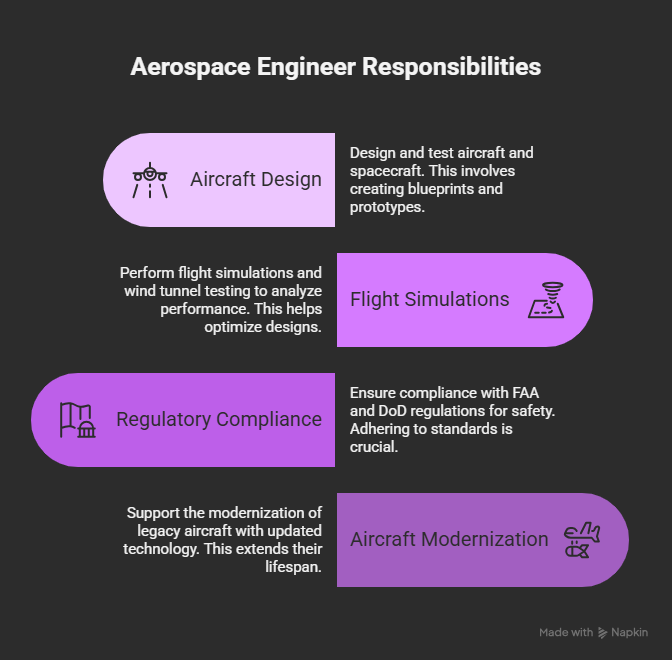
- Design and test aircraft and spacecraft
- Perform flight simulations and wind tunnel testing
- Ensure compliance with FAA and DoD regulations
- Support the modernization of legacy aircraft
A degree in aerospace, mechanical, or electrical engineering is required, with PE licensure giving an edge. Simulation tools in engineering and data analysis for defense are everyday necessities.
This is one of the best Air Force careers for problem-solvers who thrive in high-impact R&D settings.
5. Communications and Information Systems Officer
This civilian position manages military IT infrastructure. Core duties include:
- Overseeing secure communications systems
- Managing classified data environments
- Developing digital policies and protocols
- Leading IT security teams
You’ll need a computer science or information systems degree, paired with certifications like CISSP.
Technical roles in the Air Force like this are ideal for professionals with network architecture or systems security backgrounds.
6. Air Traffic Controller: Orchestrating the Skies
One of the more intense Air Force officer roles, air traffic controllers ensure safe aircraft operation in Air Force bases and surrounding airspace.
Responsibilities include:
- Monitoring radar systems
- Communicating with pilots
- Coordinating airfield traffic
- Handling emergency landings
This role requires FAA certification and a calm, responsive demeanor under pressure. It offers Air Force job salary levels that increase with experience and shift premiums.
7. Nuclear Engineer: Power and Precision
This position involves designing and maintaining nuclear systems within the Air Force. Key duties are:
- Operating nuclear reactors and subsystems
- Ensuring compliance with safety regulations
- Performing risk assessments
- Supporting weapons development programs
A nuclear engineering degree and a PE license are generally required. This job intersects with national energy policy and military readiness.
Engineering defense jobs like this are crucial to America’s strategic capabilities.
Key Benefits of Civilian US Air Force Jobs
Working in a civilian role with the Air Force means gaining access to benefits usually reserved for military personnel. These include:
- Federal employment stability and advancement
- Full healthcare and retirement plans
- Security clearance advantages for career mobility
- Professional development in military careers
Additionally, Air Force non-military careers come with prestige and a deep sense of service.
How to Apply for Air Force Jobs as a Civilian
The official portal for most federal positions is USAJOBS. Here’s how to effectively navigate the Air Force hiring process:
- Create a detailed federal resume using the USAJOBS format
- Match job descriptions with tailored experience
- Highlight your certifications and Air Force job eligibility
- Prepare for interviews with knowledge of the DoD environment
Also consider interlinking opportunities across careers in the US military, such as DoD contractor roles or cross-agency assignments.
Final Thoughts:
Civilian careers in the Air Force provide an exceptional balance between mission-driven work and personal career growth. Whether you’re pursuing roles in engineering, medicine, cybersecurity, or logistics, these Air Force job openings offer unmatched value. Now is a strategic time to explore these Air Force job descriptions and align your qualifications with positions that shape the future of national defense.
Frequently Asked Questions
What are the top Air Force jobs for civilians?
Some of the best Air Force careers for civilians include cybersecurity specialists, intelligence analysts, aerospace engineers, and healthcare professionals. These roles offer strong pay, job security, and professional impact.
Which Air Force jobs pay the most?
High-paying Air Force jobs include nuclear engineers, senior healthcare providers, and advanced technical leads in cybersecurity or communications systems.
How do I qualify for civilian Air Force positions?
Each job requires unique Air Force job qualifications, generally including a relevant degree, professional certifications, and, in many cases, prior experience in a federal or defense environment.
What makes civilian Air Force jobs appealing?
These jobs blend the stability of federal civilian jobs with the prestige and structure of military work. Benefits, purpose-driven missions, and long-term advancement make them particularly attractive.