Skip to content
Introduction:
The Greater Omaha area offers a variety of high-paying meatpacking jobs for both entry-level and experienced workers. Positions include meat packers, production line operators, quality inspectors, and supervisors responsible for maintaining efficiency and safety on the plant floor. This guide provides detailed information on salary ranges, daily duties, essential skills, top employers, and a step-by-step application process to help you evaluate whether a career in meatpacking aligns with your goals.
Meat packing is a critical industry in Nebraska, supporting the food supply chain nationwide. Plants in Omaha and surrounding cities employ thousands of workers each year. Whether you are entering the workforce, switching careers, or seeking stable employment, these positions offer reliable pay and on-the-job training for long-term growth. The industry provides opportunities to learn hands-on skills while contributing to essential food production.
| Detail | Information |
| Education Required | High school diploma / GED |
| Experience Needed | None for entry level |
| Median Annual Salary | $33,200 |
| Top Hiring States | Nebraska, Iowa, Kansas |
| Official Apply Link | https://www.usajobs.gov |
What Does a Meat Packer Do in the USA?

Meat packers in the USA perform a variety of tasks to ensure efficient and safe production:
- Prepare, cut, and package meat products in accordance with strict quality and safety standards.
- Operate specialized equipment, including knives, saws, grinders, slicers, and vacuum-sealing machines.
- Collaborate with team members to maintain smooth workflow and meet production targets.
- Monitor storage temperatures and maintain sanitation protocols.
You inspect, trim, and portion beef, pork, or poultry for shipping and retail. Daily tasks include weighing, labeling, and packaging meat in accordance with USDA and company standards. You also monitor storage temperatures and ensure sanitation protocols are consistently followed.
In addition to manual tasks, you may operate knives, saws, grinders, slicers, or vacuum-sealing machines. Some facilities use automated equipment, which must be monitored for both efficiency and safety. Attention to detail is essential to prevent product waste and safety violations.
Most meat packers report to shift supervisors or line managers and collaborate closely with other team members to maintain production speed and quality. Clear communication ensures workflow remains smooth, and problems are resolved quickly during peak hours.
Understanding these daily responsibilities helps prepare you for the physical and technical demands of greater Omaha packing jobs. The next section highlights the requirements for success in this field.
Requirements to Get Meat Packer Jobs in the USA

To qualify for meatpacking jobs in the USA, you typically need a high school diploma or GED, the ability to meet physical demands, follow safety protocols, and, for some roles, prior experience or specialized training.
Entry-level roles do not require a college degree, making them accessible to a wide range of applicants. Higher-level positions, such as quality control inspectors or supervisors, may require food safety certifications or prior processing experience.
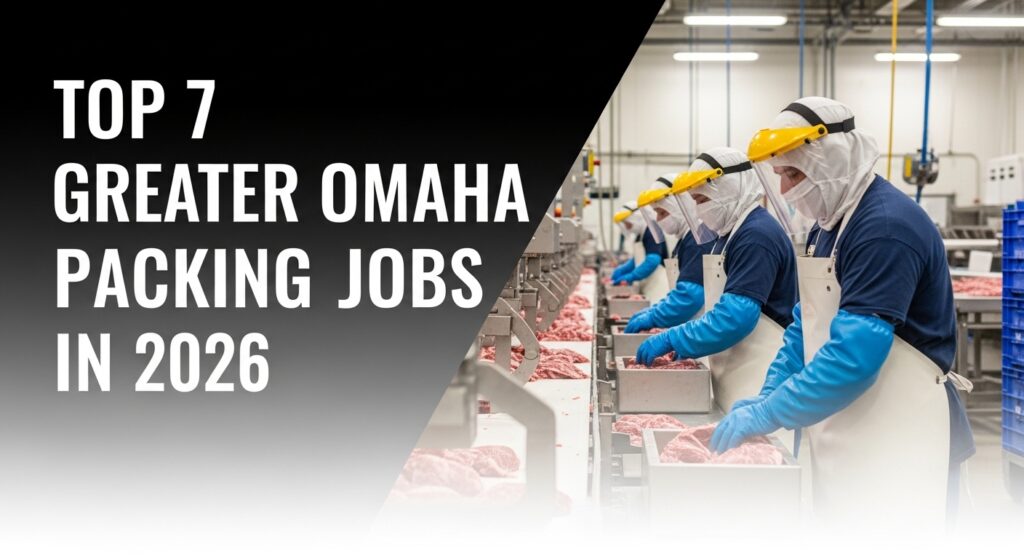
Physical requirements include standing for long periods, regularly lifting 25–50 pounds, and performing repetitive motions safely. Protective equipment, such as gloves, aprons, face shields, and steel-toed boots, is standard to prevent injuries.
Experience requirements vary. Entry-level packers often receive on-the-job training to learn cutting, portioning, and packaging techniques. Supervisors and quality inspectors typically require one to three years of relevant experience. Shift schedules may include nights, weekends, or overtime during peak production periods.
Non-US citizens must have valid work authorization before applying. This includes an H-2B visa, an H-1B visa for skilled roles, or an employment authorization document. Check the official job listing for visa sponsorship details.
Career Path and Advancement Opportunities

Many workers begin as entry-level packers in meat processing facilities and gradually advance to specialized or supervisory roles through experience and demonstrated reliability. By learning to operate machinery efficiently, adhering strictly to safety protocols, and completing food safety and sanitation certifications, employees can qualify for positions such as line supervisors, quality control inspectors, production coordinators, or shift managers. Consistently performing tasks accurately and showing commitment to safety and productivity often leads to promotions, higher pay, and additional responsibilities over time.
Employees in Greater Omaha packing jobs also have opportunities to broaden their skills by working in related areas such as warehouse management, logistics coordination, inventory control, or administrative roles within the company. Some dedicated workers may even transition into roles that involve training new employees or overseeing multiple production lines. These career pathways demonstrate that greater Omaha packing jobs are not just entry-level positions but can serve as a foundation for long-term professional growth, skill development, and leadership opportunities.
Over time, gaining experience in different areas of the plant, such as quality assurance, equipment maintenance, or safety oversight, can further enhance earning potential. Employees who proactively seek cross-training or additional certifications often advance more quickly along the career ladder, making it possible to reach supervisory or specialized positions within a few years. These opportunities highlight that greater Omaha packing jobs provide both financial stability and the potential for a meaningful career in the meat processing industry.
Typical Work Schedule and Shifts

Meat packing plants usually operate multiple shifts to meet production demands. Employees may work day shifts, night shifts, or rotating schedules depending on the facility. Seasonal peaks before holidays or during high-demand production periods often require additional overtime hours.
Shift schedules affect overall pay because night and weekend shifts often include differential pay. Understanding the schedule and preparing for physical and mental endurance helps you maintain productivity while balancing work-life responsibilities. Many employees find that pacing themselves and using proper techniques during long shifts improves both comfort and efficiency.
Health and Safety Considerations

Safety is a top priority in meatpacking facilities, and adhering to proper protocols is essential for all employees. Workers wear protective equipment such as gloves, aprons, face shields, hairnets, and steel-toed boots to prevent cuts, slips, and other workplace injuries. You must follow proper knife handling, lifting techniques, and sanitation procedures consistently to protect yourself and maintain high-quality standards for meat products.
Plants in the Greater Omaha area strictly follow USDA and OSHA guidelines, including regular inspections, safety briefings, and mandatory training sessions to minimize workplace hazards. Because employees spend long hours standing on hard floors and performing repetitive motions, physical endurance, proper posture, and ergonomic techniques are critical to prevent fatigue and musculoskeletal issues. Stretching during breaks, staying hydrated, and pacing yourself on the production line help maintain long-term health and productivity.
In greater Omaha packing jobs, employees also face cold storage environments, fast-moving conveyor lines, and heavy equipment. Learning to identify potential hazards, staying alert, and reporting unsafe conditions promptly are essential practices. Employees who maintain good health habits both on and off the job often experience fewer injuries, reduced fatigue, and improved performance. Following safety protocols diligently not only protects yourself but also ensures that the facility operates efficiently and meets regulatory standards.
By prioritizing health and safety, workers in greater Omaha packing jobs can enjoy a more sustainable career, reduce the risk of long-term physical strain, and demonstrate reliability and professionalism that can contribute to advancement opportunities within the company.
Skills That Make You a Strong Candidate

Beyond formal education and certifications, employers value certain skills for meatpacking positions. Attention to detail, reliability, time management, and teamwork are critical in maintaining production efficiency. Physical stamina and the ability to operate machinery safely also improve chances of success.
Taking short courses in food safety or learning to operate specialized equipment can make you a stronger candidate. Demonstrating punctuality, following instructions accurately, and collaborating with team members can also positively impact career growth within Greater Omaha packing jobs.
Common Challenges and How to Overcome Them

Meat packing can be physically demanding and fast-paced. Employees may face cold storage environments, repetitive tasks, and extended hours on the production line. Managing fatigue through regular breaks, proper stretching, and pacing yourself during shifts helps reduce strain.
Following safety protocols and staying aware of one’s surroundings minimize the risk of injury. Being mentally prepared for the physical demands and understanding potential challenges allows workers to perform consistently and maintain job satisfaction.
How Much Does a Meat Packer Earn in the USA?

Meat packers in the USA earn a median annual salary of $33,200, approximately $15.95 per hour, according to the U.S. Bureau of Labor Statistics, with experienced workers and supervisors earning more than $50,000 annually in high-demand states like Nebraska and Iowa.
Entry-level packers may earn around $25,000 per year, while skilled or supervisory employees can make over $50,000. Pay often increases with certifications, seniority, and specialized skills.
Over time, shift differentials and seasonal work provide additional income. Some employers offer performance bonuses during peak production periods, allowing motivated workers to increase their earnings further.
Meat Packer Salary by State
| Location | Median Annual Salary |
| USA National Average | $33,200 |
| Nebraska | $35,000 |
| Iowa | $34,500 |
| Kansas | $34,000 |
These figures are based on the latest available BLS data. Salaries can differ depending on the employer, where you live, and how much experience you have. Use the official link at the end of this article to check the most current figures.
Benefits and Perks Beyond Salary

Many meatpacking employers provide benefits beyond base pay. These can include health insurance, retirement plans, paid time off, and performance bonuses. Some companies also offer training and certification programs at no cost, which help employees grow professionally.
Understanding the full benefits package is essential when evaluating job opportunities. These perks contribute to long-term career satisfaction, financial security, and professional growth within greater Omaha packing jobs.
Best Places to Find Meat Packer Work Across the USA

High-paying meat packing jobs are available through major employers in Nebraska and nearby states, including Tyson Foods, JBS USA, and Greater Omaha Packing, with openings concentrated in Omaha, Lincoln, and Council Bluffs.
Top employers hire for production line workers, supervisors, and quality inspectors, offering both entry-level and skilled roles. Seasonal hiring often occurs before holidays or during peak production cycles. Applications should be submitted via official company career pages or via https://www.usajobs.gov for public-sector openings.
If you are also considering warehouse worker positions, read our guide on Top USA Warehouse Jobs With High Pay on USAJobly.com.
Local Industry Context and Job Demand

The Greater Omaha area is a central hub for meat packing due to its proximity to livestock supply chains and transportation routes. Demand for workers remains strong, and plant expansions or modernization projects often create additional job openings. Seasonal and holiday periods generate even more opportunities, making meat packing one of the most stable employment options in the region.
How to Apply for Meat Packer Positions Step by Step

Applying for meatpacking roles requires preparing a detailed resume, collecting necessary documents, and submitting applications through official company portals, following each employer’s instructions carefully.
- Build your resume. Include work history, education, and certifications. Keep it brief and within one to two pages.
- Collect your documents. Bring a valid ID, work authorization, and copies of any licenses or certificates.
- Apply on the official hiring page. Please follow the instructions carefully, including any assessments or screening questions.
Click the Apply Now button below to go directly to the official hiring page.
Tips for First-Day Success

On your first day, arrive on time and bring all required documents. Dress appropriately and follow plant safety rules. Observe your surroundings and learn from experienced coworkers. Ask questions politely to clarify tasks and workflows. Maintaining focus, pacing yourself, and following instructions helps new employees adjust to the physical demands while demonstrating reliability and professionalism.
Comparison With Similar Roles

Meatpacking jobs differ from warehouse or general food-processing roles. Warehouse roles primarily focus on storing and moving products, while meat packing involves cutting, trimming, and processing per strict quality and safety standards. Physical demands are higher, but training and advancement opportunities are more structured. This comparison helps workers decide whether meatpacking aligns with their career goals.
Real-Life Experiences and Employee Insights

Employees report that teamwork and communication are essential on production lines. Workers endure long shifts standing on cold floors while safely using knives or machinery. Many appreciate hands-on learning and opportunities for advancement. Listening to experienced coworkers and following protocols helps new hires adapt quickly and gain confidence, preparing them for the realities of greater Omaha packing jobs.
Final Thoughts:

Meatpacking positions in Greater Omaha suit entry-level applicants, no-degree workers, and experienced laborers seeking steady, physical work. Employees gain practical skills and can advance to supervisory or specialized roles over time.
The U.S. Bureau of Labor Statistics notes steady demand for slaughterers and meat packers. Employment remains stable due to ongoing needs in food processing, providing long-term career prospects.
Review qualifications, prepare a strong resume, and apply on official company sites. Taking these steps helps you begin a career in Greater Omaha packing jobs with confidence.
Frequently Asked Questions:
How much do meatpacking jobs pay in Omaha?
Meatpacking jobs in Omaha pay around $33,000 annually. Entry-level wages start lower, while experienced or supervisory roles can exceed $50,000 depending on skill and shift schedules.
What qualifications do I need for a meatpacking job?
You need a high school diploma or GED and the ability to meet physical demands. Some positions may require safety or sanitation training or prior work experience.
Do meatpacking jobs require experience?
Entry-level roles provide on-the-job training, so prior experience is not required. Supervisory and quality control positions usually require 1–3 years of related experience.
Is meatpacking hard work in the USA?
Yes, it is physically demanding. Workers stand for long hours, lift heavy items, and perform repetitive tasks while adhering to strict safety protocols to prevent injuries.
This article uses data from the U.S. Bureau of Labor Statistics and O*NET. Salary figures change over time. Visit the official BLS website to verify current data before making any career or financial decision.
[APPLY NOW BUTTON — Official Hiring Link: https://www.usajobs.gov]
Reviewed by: USAJobly Editorial Team